USC Latinx Heritage Month Spotlight: Gianna Woodruff
Aubrey Kragen
9/15/2021
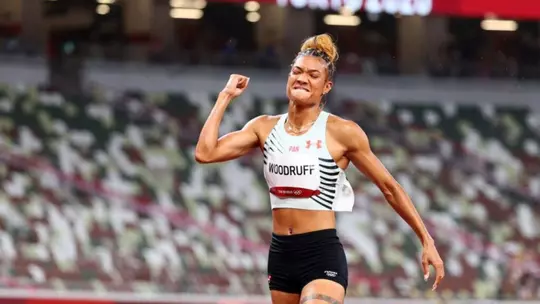
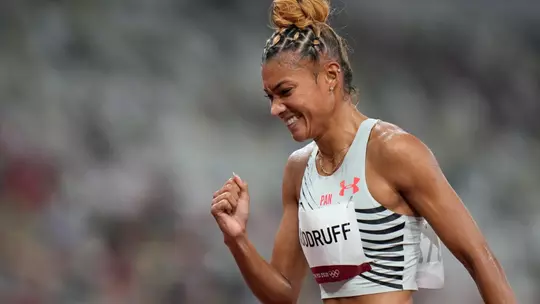
Gianna Woodruff is a track & field athlete who represented Panama at the 2020 Tokyo Olympics. She set a Panamanian record of 54.22 in the semis and placed 7th in the women’s 400m hurdle finals with a time of 55.84.
Woodruff was born in Los Angeles to an American father and a Panamanian mother. She spent her undergraduate career competing at the University of Washington, but joined the Trojan Family in 2021 as a student in USC’s Online Master of Social Work Program.
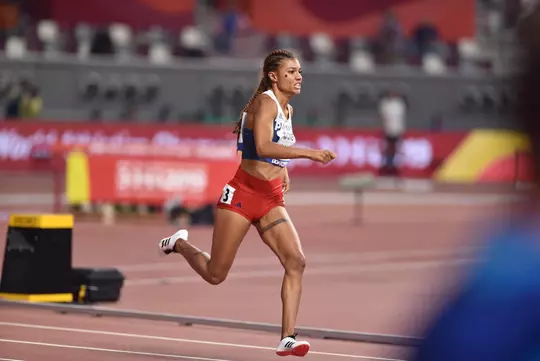
In honor of Latinx Heritage Month, we sat down with Woodruff to discuss her experience at the Olympics, Panamanian culture and more.
Q: As an American-Panamanian dual citizen, what made you decide to compete for Panama in your professional career?
A: My mom suggested it, and [my sister and I] were like, ‘Oh!’ because we had already had our dual citizenship. We realized we could run for Panama and still live in the United States and still be competitive and break records for Panama and kind of put Panama on the map. We wanted to help out Panama and help out the youth and the generation coming up. I just wanted to give back.
I still work just as hard, if not harder than a lot of people. People always think I’m taking the easy way out not competing at U.S. Trials, but there’s nothing easy. My coach, the training that we do, it’s intense.
It’s been a blessing, though, competing for Panama. It’s helping elevate them and paving the way for them and letting little girls know that they can do it too.
Q: Do you feel embraced by the Panamanian community?
A: One hundred percent. Ever since I started competing with them, I haven’t felt like an outsider at all because I’m in the U.S. A lot of other Panamanian track athletes live in the United States. There are just better opportunities within the United States. But I’ve always felt 100 percent support. They’re just happy someone is putting them on high.
I was the first female athlete to make it to a final, regardless of sport. It was really crazy, and they were so hyped. They don’t even care what place I got in the final. They were just happy that someone was running for Panama. I was the only person from a Latin American country representing in that 400 hurdles final.
Q: What have your experiences been like visiting Panama?
A: All of my family is still over there. I’ve been going there since I could walk. We would go two-to-three times a year. And when I started competing for them I started going a lot. But since COVID happened, I have not been able to go.
I love the beaches. They have this famous black sand beach. It’s so beautiful. I’m biased, and everyone is going to say their country is the most beautiful country in the world, but I really think that Panama is one of the most beautiful countries in the world.
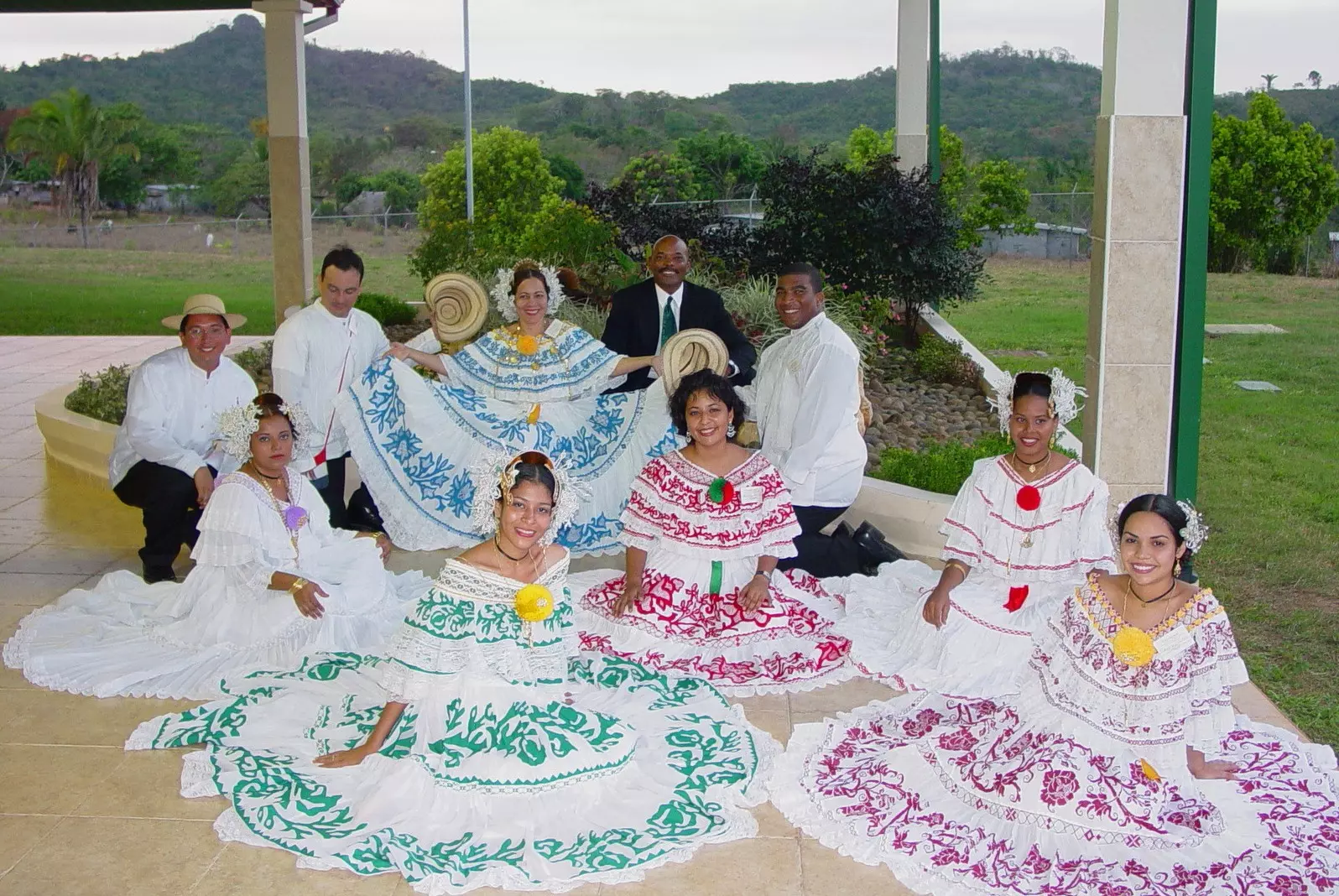
It’s so rich in culture. Growing up we would do tipico, a traditional Panamanian dance. It kind of looks like a big, fluffy quiceañera dress, and we would go every Saturday to a local Panamanian group in Los Angeles to dance tipico. As much as we didn’t want to do it at the time, I’m glad we did because it’s part of the culture and forever ingrained in my head. They had pretty headpieces and jewelry.
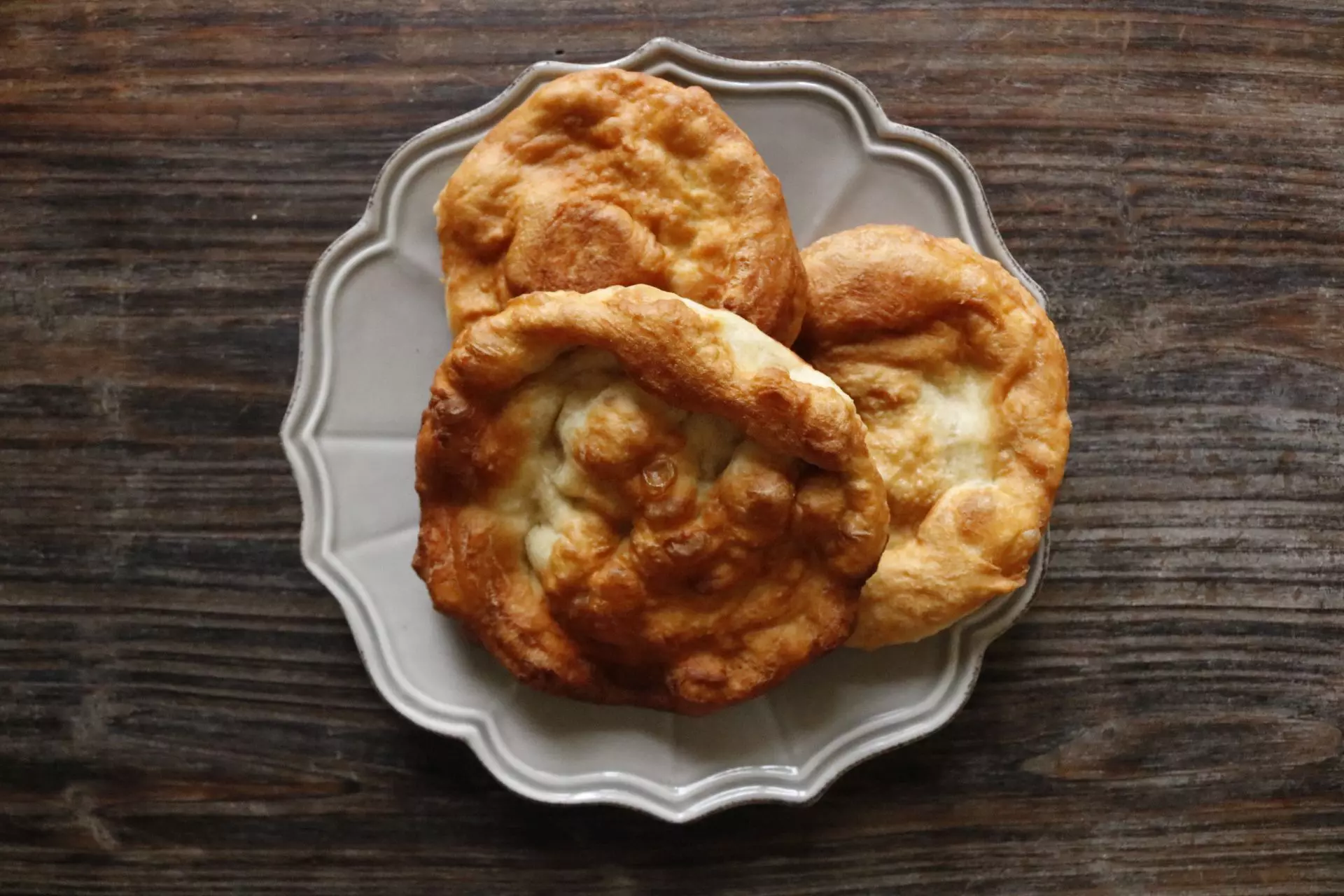
The food down there, it’s so amazing. They have really good ceviche, they have fried dough kind of like a beignet, but without powdered sugar. That’s a delicacy in the morning. They have empanadas. My mom always made arroz con pollo, chicken and rice, but Panama has a twist with the guandu peas.
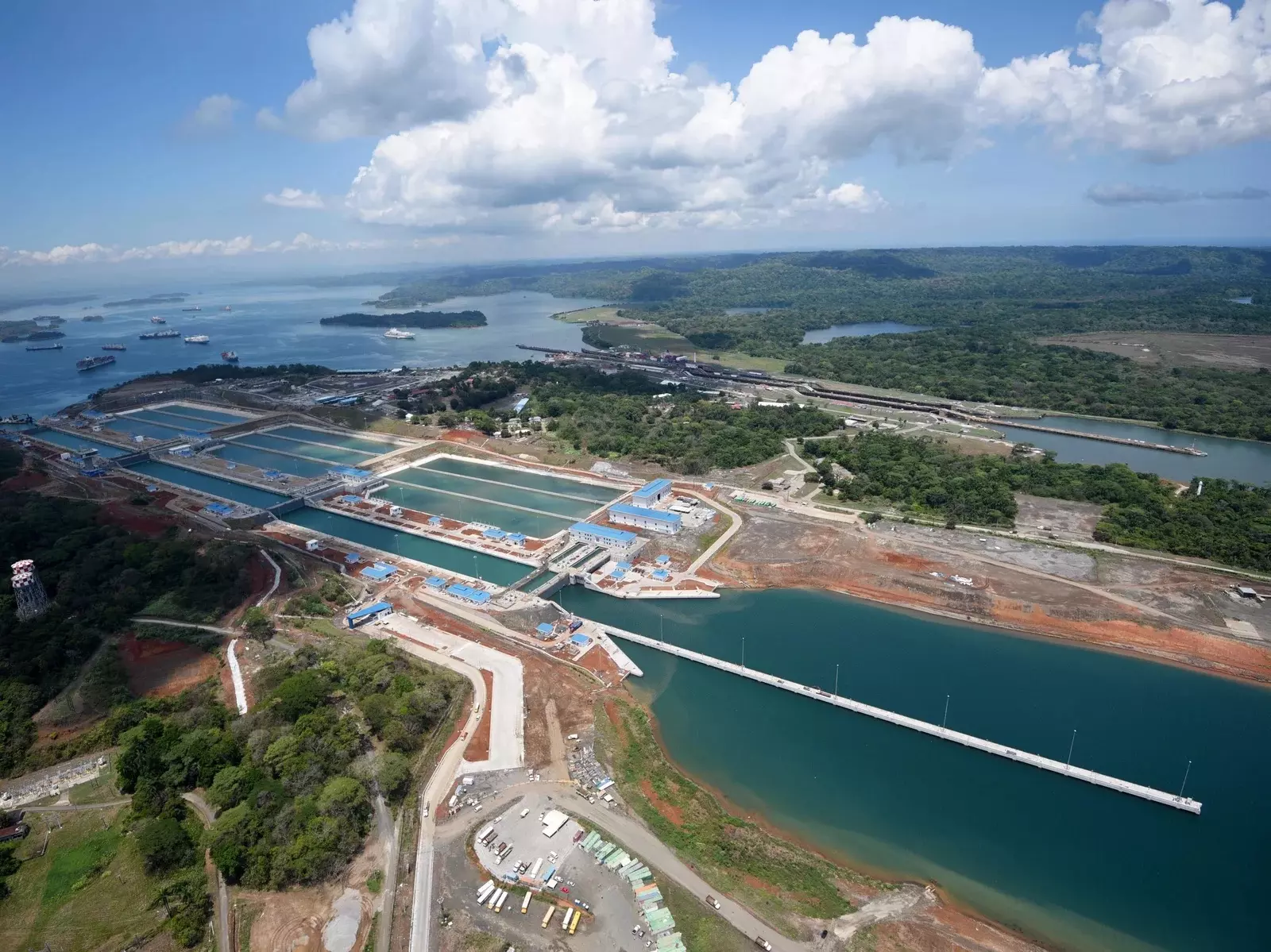
One more experience — my godfather is the chief of tugboats on the Panama Canal. He would let us go through the Panama Canal when we were little. That’s beautiful and so cool and so historic.
Q: What were your goals heading into the Tokyo Olympics?
A: My goals were to make the final. Of course we talked about getting a medal, but this was my first year really being consistent with my times and having multiple personal bests, making the final was a big goal for me.
But also having fun. Despite this being so full of pressure, we emphasized having fun. Not everybody can get this opportunity to be here. I just tried to have so much gratitude with everything.
Q: What were the highlights of your experience in Tokyo?
A: The fact that there weren’t fans in there didn’t bother me — because track is so individual — we just kind of thrive off of each other.
I can get a little nervous. My first big competition was 2017 at the World Championships and it was my first time being in a stadium with thousands of people, and it was super overwhelming. So I liked being able to focus on myself and my own race.
I liked the venue, and I think the people of Japan stood out a lot. They made everything so seamless and so smooth. Even though we had to take COVID tests every morning, they were so nice. I think they’re probably the nicest people on earth. Literally.
Q: What made you want to come and do a graduate degree at USC?
A: I’ve always wanted to go to grad school, but I kind of put it on hold. I didn’t think that I could run track and still go to grad school at the same time. I’m one of five siblings, and they all have their master's degrees, so I felt motivated to do it too, and figure out what I wanted to do after track.
I was really motivated and encouraged to apply, and USC was always my first option. But I applied to a public school first and I didn’t get in. So I was a little discouraged. When I got into USC, it was like the best news of my whole life. I was going through it a bit at the end of 2020, so when I found out, I was so happy. Being able to get my master’s at one of the best universities in the world, it doesn’t get better than this. And I’m training in one of the best groups ever. God is great.
Q: How have you balanced school and track?
A: My first semester started in January. My second semester, I was actually in Tokyo. I had to do two finals when I was in Tokyo! But my professors were so understanding.
My schedule actually works out pretty well. I’m part-time at USC, and I’ll train in the morning and take class two times a week in the evenings. I’m able to manage it really well. It really hasn’t been an issue.
Q: Your sister went to UCLA, right? How did she take the news of you going to USC?
A: They’re Bruins for life, my older sister and my parents. But they were super understanding. They had no choice! We will be a split house, and that will be that. They’re super supportive of me. My sister was the one encouraging me to apply to USC. And it ended up being one of the best decisions I’ve ever made.
Q: How did you form a relationship with USC alum Dalilah Muhammad?
A: We started training with the same coach in 2016. We have grown a different kind of relationship, and one that will last a lifetime. She is super cool. She’s probably one of the dopest people I know. And most humble, on and off the track. She encouraged me to go to grad school and told me I can do both. She’s been super great.
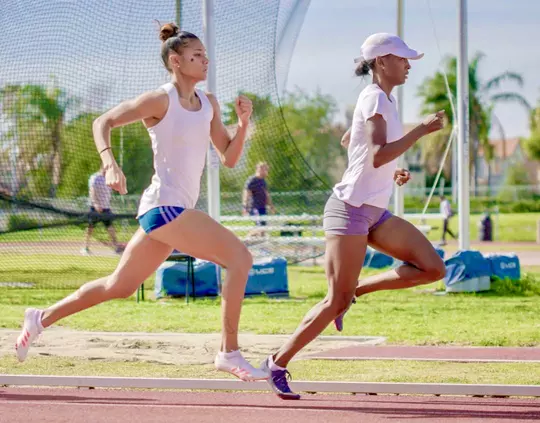
Q: Looking back on your career thus far, what is your proudest accomplishment?
A: Competing at my first Olympics and coming out with a PR is one of the highlights of my career so far. It was so nerve wracking before. I stumbled across a hurdle at trials two weeks before the Olympics, I was out of practice for a week because my knee swelled up.
I literally lived out a dream being at the Olympics.
Q: Looking ahead on your career, what would you like to accomplish?
I just want to continue to be happy with that I do. That’s my ultimate goal. If I stay happy and have fun, I’ll have so many successes.
Obviously I want to compete at the next Olympics, and I would love to compete at the 2028 Olympics in my hometown of LA.
And we’re working towards getting a medal. But just want to be better than who I was yesterday, on and off the track.