University Southern California Trojans
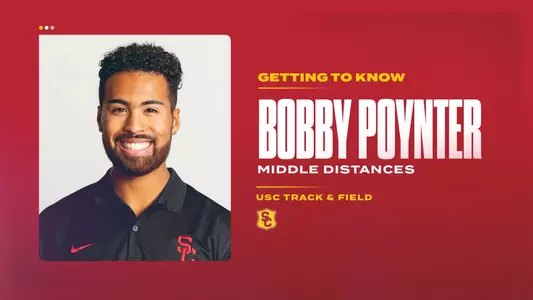
Getting To Know Bobby Poynter
November 18, 2021 | Track & Field
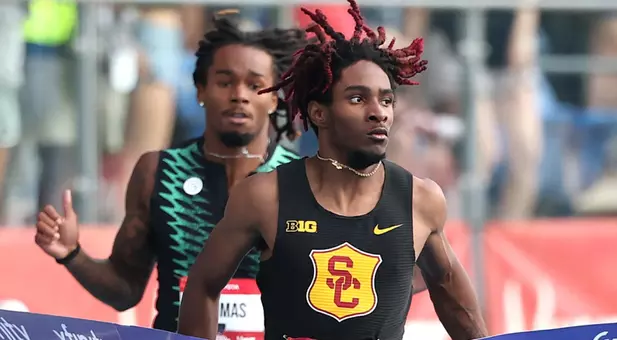
This week I had the opportunity to talk to Bobby Poynter, a redshirt junior who transferred to USC from Cal Poly San Luis Obispo. In our conversation we talked about many topics including his overall mindset, postgraduate plans, and how he first got involved with track. Bobby is originally from San Ramon, California, and was the Big West Conference's 800m champion in 2019.
Q: What made you want to transfer to USC?
BP: So I completed my undergraduate degree at Cal Poly San Luis Obispo. When I was looking at graduate programs, I applied to only a handful of schools. I just really liked the Applied Psychology program here at USC as well as the athletic opportunity with Coach (Jebreh) Harris and the amount of resources here to make me a successful student and athlete.
Q: What does a typical day of training look like for you?
BP: I'd say it really depends on what day of the week. Right now we're wrapping up the Fall block, so we had a lot more distance oriented workouts with lots of volume. We would still mix in some accelerations and speed work as well. As we transition into track season there will be more workouts on the track because we will do some of those longer workouts over at Griffith Park where they have more open space and nice dirt trails.
Q: What's your mindset going into a race?
BP: Going into a race I really like to visualize the different ways my race can play out and what I need to do throughout the race to be successful. So more visualization has been really helpful. Even stemming from high school, I've had some of my best races just from being able to visualize it, before I actually run it. I think it also helps calm me down. It almost feels like I've already been through it in a way, so I don't get on the line and feel nervous because I'm not really sure about what's going to happen. You already come in with an idea of what you need to do to be successful.
Q: What are your goals for the season?
BP: Some goals that I've set out are that I want to run a 1:48 or better in the 800m. Then I'd like to make it to NCAA Regionals or further. As we get closer to the season, I'll set smaller day to day goals like staying on top of my prehab, and doing exercises to keep me healthy throughout the season. So those are my mini goals, making sure I take advantage of the training room and all the different resources I have to get me through the season.
Q: What made you fall in love with track?
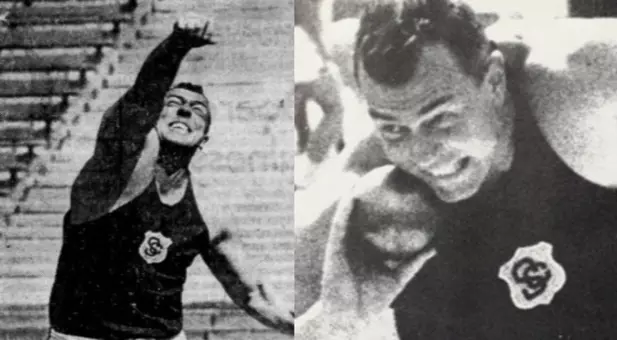
BP: I didn't actually get into track until my freshman year of high school. I was originally a baseball player, and wanted to play college baseball growing up, but I got burnt out. I've always loved running, and it's kind of in my blood. My grandfather was a world class sprinter, and he's coached many great athletes, and even a handful of Olympians. Naturally he obviously always wanted me to pursue track, and I think he's really happy that I chose to in high school and that I ended up loving it. I focused more on track my junior and senior year of high school, once I quit football, and then I just love running and competing and those are the two things that track provides. So that's how I started getting into the sport.
Q: You listed your grandfather (Bobby Poynter) as your sports hero. Why?
BP: Yeah, I am blessed to have a lot of father figures in my life, and obviously he has been one of them, especially in terms of track. Just with the knowledge that he has, and the athletes that he's worked with, and he'll even talk about some of his own race experiences as well. So it's really cool to get that dynamic, and it's just the little things about the sport. Whether it's technique, my approach to offseason training, or the actual race mindset that I need to carry, he's been super helpful. My family as a whole has been very supportive, and helped me so much with track. I've just been very blessed.
Q: What are some of the mindset tips that he's given you?
BP: Yeah, definitely. I'd say one of my favorite ones has been more so relating to the offseason, and what keeps you motivated. He had a very successful career, particularly in high school and then college. He rarely lost, so it's like how do you stay motivated and continue to want to get better since you're winning all these races. He said there would be times where you drop a baton, or have little mess ups here and there. He said he would focus on that and want to get better so that you don't have these recurring mistakes. So you want to always have that in the back of your mind, don't get carried away with your successes because there's always room to get better. There's always someone out there that's just as fast if not faster, so you have to keep pushing yourself to be the best that you can be.
Q: What are some aspects of your running that you are looking to improve upon?
BP: I would say the finer things within my actual running form. There's always little ways that you can improve, and I feel that Coach Harris has done an excellent job of analyzing different running forms and making sure that you're the most efficient runner possible, because the most efficient runners are going to win the races. In the past couple months, just from being here, I think my form and technique has already improved and will continue to improve under Coach Harris. So I think that's been very helpful. He's very particular. And I think that's something that I've needed. Definitely making sure my knee drive is correct, and then also dropping my arms and making sure I'm not being so uptight. And then also making sure I'm swinging through and getting proper arm swing to make sure that I can get the most out of my form and stay relaxed.
Q: What has been your favorite life lesson, or take away, from the sport?
BP: I would say just the hard work that goes into it has been a huge life lesson, and I think it's really cool with track because you can directly see the hard work that you put in the offseason, and how that will actually translate during the season. Once you start the season, there's only so much you can do to improve your overall fitness. Going in and building your strength, that's what the offseason is for. I really like how once you start going into season, you can directly see how that hard work has paid off. With your times, you can see that "oh my time has dropped this much". Versus in other sports, you could definitely see it too, but in track there are specific times you can compare from year to year. To me, it just proves that your hard work will pay off, and that's huge in life: working hard towards your goals.
Q: You're studying Applied Psychology. What are you looking to do with that after graduating?
BP: Yeah, so I'm looking to get into consumer psychology in more marketing and consumer analyst roles. It's something I've been fairly passionate about throughout undergrad. Everyone always assumes that if you study psychology you're going to be a psychologist, but there's actually a lot of different routes you could take within psychology and the one I'm choosing is more consumer side which has definitely been a role that has grown recently. If you've followed some of these bigger companies, psychology has been huge in terms of producing better ways to understand their customers, and how they interact with their products.
Q: What made you want to transfer to USC?
BP: So I completed my undergraduate degree at Cal Poly San Luis Obispo. When I was looking at graduate programs, I applied to only a handful of schools. I just really liked the Applied Psychology program here at USC as well as the athletic opportunity with Coach (Jebreh) Harris and the amount of resources here to make me a successful student and athlete.
Q: What does a typical day of training look like for you?
BP: I'd say it really depends on what day of the week. Right now we're wrapping up the Fall block, so we had a lot more distance oriented workouts with lots of volume. We would still mix in some accelerations and speed work as well. As we transition into track season there will be more workouts on the track because we will do some of those longer workouts over at Griffith Park where they have more open space and nice dirt trails.
Q: What's your mindset going into a race?
BP: Going into a race I really like to visualize the different ways my race can play out and what I need to do throughout the race to be successful. So more visualization has been really helpful. Even stemming from high school, I've had some of my best races just from being able to visualize it, before I actually run it. I think it also helps calm me down. It almost feels like I've already been through it in a way, so I don't get on the line and feel nervous because I'm not really sure about what's going to happen. You already come in with an idea of what you need to do to be successful.
Q: What are your goals for the season?
BP: Some goals that I've set out are that I want to run a 1:48 or better in the 800m. Then I'd like to make it to NCAA Regionals or further. As we get closer to the season, I'll set smaller day to day goals like staying on top of my prehab, and doing exercises to keep me healthy throughout the season. So those are my mini goals, making sure I take advantage of the training room and all the different resources I have to get me through the season.
Q: What made you fall in love with track?
BP: I didn't actually get into track until my freshman year of high school. I was originally a baseball player, and wanted to play college baseball growing up, but I got burnt out. I've always loved running, and it's kind of in my blood. My grandfather was a world class sprinter, and he's coached many great athletes, and even a handful of Olympians. Naturally he obviously always wanted me to pursue track, and I think he's really happy that I chose to in high school and that I ended up loving it. I focused more on track my junior and senior year of high school, once I quit football, and then I just love running and competing and those are the two things that track provides. So that's how I started getting into the sport.
Q: You listed your grandfather (Bobby Poynter) as your sports hero. Why?
BP: Yeah, I am blessed to have a lot of father figures in my life, and obviously he has been one of them, especially in terms of track. Just with the knowledge that he has, and the athletes that he's worked with, and he'll even talk about some of his own race experiences as well. So it's really cool to get that dynamic, and it's just the little things about the sport. Whether it's technique, my approach to offseason training, or the actual race mindset that I need to carry, he's been super helpful. My family as a whole has been very supportive, and helped me so much with track. I've just been very blessed.
Q: What are some of the mindset tips that he's given you?
BP: Yeah, definitely. I'd say one of my favorite ones has been more so relating to the offseason, and what keeps you motivated. He had a very successful career, particularly in high school and then college. He rarely lost, so it's like how do you stay motivated and continue to want to get better since you're winning all these races. He said there would be times where you drop a baton, or have little mess ups here and there. He said he would focus on that and want to get better so that you don't have these recurring mistakes. So you want to always have that in the back of your mind, don't get carried away with your successes because there's always room to get better. There's always someone out there that's just as fast if not faster, so you have to keep pushing yourself to be the best that you can be.
Q: What are some aspects of your running that you are looking to improve upon?
BP: I would say the finer things within my actual running form. There's always little ways that you can improve, and I feel that Coach Harris has done an excellent job of analyzing different running forms and making sure that you're the most efficient runner possible, because the most efficient runners are going to win the races. In the past couple months, just from being here, I think my form and technique has already improved and will continue to improve under Coach Harris. So I think that's been very helpful. He's very particular. And I think that's something that I've needed. Definitely making sure my knee drive is correct, and then also dropping my arms and making sure I'm not being so uptight. And then also making sure I'm swinging through and getting proper arm swing to make sure that I can get the most out of my form and stay relaxed.
Q: What has been your favorite life lesson, or take away, from the sport?
BP: I would say just the hard work that goes into it has been a huge life lesson, and I think it's really cool with track because you can directly see the hard work that you put in the offseason, and how that will actually translate during the season. Once you start the season, there's only so much you can do to improve your overall fitness. Going in and building your strength, that's what the offseason is for. I really like how once you start going into season, you can directly see how that hard work has paid off. With your times, you can see that "oh my time has dropped this much". Versus in other sports, you could definitely see it too, but in track there are specific times you can compare from year to year. To me, it just proves that your hard work will pay off, and that's huge in life: working hard towards your goals.
Q: You're studying Applied Psychology. What are you looking to do with that after graduating?
BP: Yeah, so I'm looking to get into consumer psychology in more marketing and consumer analyst roles. It's something I've been fairly passionate about throughout undergrad. Everyone always assumes that if you study psychology you're going to be a psychologist, but there's actually a lot of different routes you could take within psychology and the one I'm choosing is more consumer side which has definitely been a role that has grown recently. If you've followed some of these bigger companies, psychology has been huge in terms of producing better ways to understand their customers, and how they interact with their products.
Wednesday, June 17
Sunday, May 17
Thursday, May 14
Saturday, March 28